Texas-built pickleball coaching
Reserve a seat
LONE STAR
PICKLEBALL CO.
← All camps
Camp · San Antonio, TX

SAN ANTONIO
SAT · JUNE 27, 2026

A beginner pickleball camp paced to where your game actually is, whether this is the first paddle you’ve held or your tenth time on a court still trying to put the pieces together.

Most beginner clinics assume you already know what the kitchen line does and what a third shot is supposed to do. This one starts at the part of the game you actually have questions about, then takes you a clear step beyond it. Your coach watches every player and fixes one thing at a time until the morning starts to feel less like guessing.

📍
Venue
Texas Pickle Hall
San Antonio, TX
🗓
Date
Sat · June 27, 2026
9:00 AM – 1:00 PM
👥
Group size
8 players
2 courts, firm cap
🎯
Skill
DUPR 2.5 and below
If you don't know your DUPR, you're in the right place
🎓
Coach
Mark McDonald
PPR certified · 8+ years coaching
Take-home
Written improvement plan
In your inbox the week after camp
Mark McDonald, Lone Star Pickleball coach
Meet your coach

MARK MCDONALD

San Antonio, TX · Pickleball Operations & Coach, Texas Pickle Hall

Mark grew up on a tennis court. Years of training, years of competing, all the way up to international-level matches. The kind of background where ground strokes and footwork become muscle memory before most people figure out which hand to grip with.

About two and a half years ago he picked up a pickleball paddle for the first time. The game pulled him in fast. The tennis instincts translated, the kitchen rewrote the geometry, and the strategy felt different in the best way. He’s been training, competing, and running tournament formats ever since. Somewhere along the way the playing turned into coaching.

Today Mark runs pickleball operations and coaching at Texas Pickle Hall in San Antonio, which is exactly where Lone Star Camp 1 lands on June 27th. He organizes the play formats, runs the tournaments, and spends most of his coaching hours on the same three things: how to think about a point, where to put the ball, and the mechanics that make those decisions actually show up in your shot.

His specialties are singles play, gameplay strategy, and shot mechanics. The parts of the game where most players know what they want to do but can’t quite get their body to do it consistently. He’s the kind of coach who’ll watch a rally, name the specific micro-adjustment that’s costing you points, and have you drilling the fix two minutes later.

What Mark gets right that a lot of coaches miss is patience. He meets you where your game actually is, not where you wish it was.

If you’re brand new, you’ll get the basics in a way that doesn’t feel rushed. If you’re a 3.5 working a specific leak, he’ll spot it inside the first 20 minutes and the rest of camp is drilling the fix. The point isn’t to overwhelm you with technique. The point is to leave you with a clear, intentional adjustment you can actually use the next time you step on a court.

On June 27, 2026, that’s the coaching you’re showing up to.
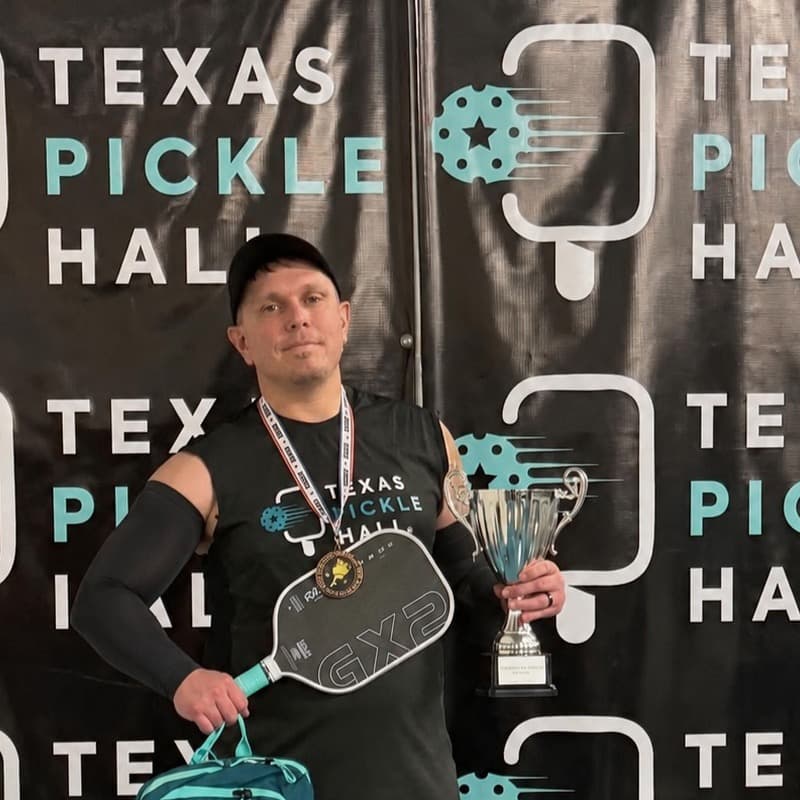
PPR certifiedDUPR 4.5 player8+ years coaching200+ studentsInternational tennis background
How camp day actually feels

What happens between nine and one.

The other seven players in the room range from first-time paddles to a few months in, which is the part nobody warns you about beforehand: the day moves a lot faster when no one is pretending to know more than they do. The first half hour is built to settle the nerves. Your coach walks the room, watches your warm-up rally, and starts naming the small things your body is already doing that will become the bigger things you fix later. By the end of that half hour, you’ve stopped wondering whether you belong here.

Then the drilling starts, paced in small blocks so the group can rest, watch, and try a thing five different times before the next thing. Your coach moves between the two courts, watching every player’s reps, calling out one specific adjustment, walking away, watching again. The drills change to match what the room is actually doing, not a printed script.

The last hour is live games with corrections in real time. Four players per court, small games, scoring not really the point. The patterns from the drills start showing up under pressure, sometimes well and sometimes not, and your coach is courtside calling out what to try next. By the time you walk off, the swing feels like yours. By the time the plan lands in your inbox a week later, you know exactly what to keep working on at the courts near your house.

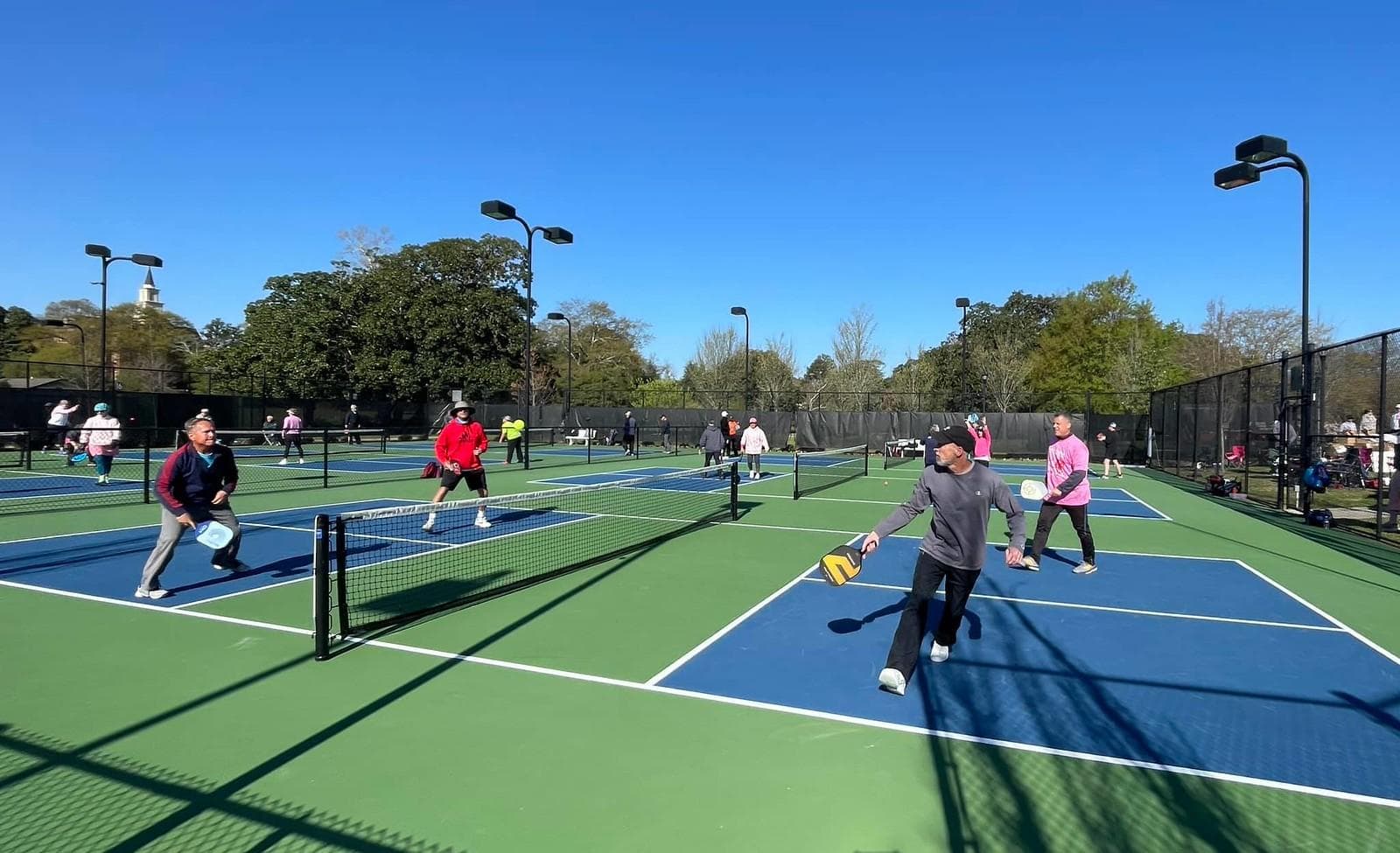
Texas pickleball players mid-rally on outdoor courts
Open play, Texas
What you’ll work on

Six blocks, four hours, one coach watching.

Your coach adapts the timing and drills based on what the room needs. The curriculum is the structure, not a script.

I

The warm-up that's already coaching

30 min

Looks like a casual rally. Isn't. Your coach is watching grip, where your feet end up, and the way your body twists when the ball goes wider than you expected. The notes start before drill one is even announced.

II

The soft shot that runs the whole game (the 'dink')

60 min

The shot you've seen on TikTok where the ball barely clears the net. It's also the single most important shot in pickleball at every level. Cross-court, straight-on, forehand, backhand. Where the ball goes when you do it right, and where it goes when you reach. By the end of this block, the soft game starts to make sense.

III

The shot that gets you to the net (the 'third shot drop')

45 min

After you serve and the return comes back, one shot decides whether you get to walk up to the net or stay stuck at the baseline trading hard hits. This is that shot. Drop mechanics, when to drive it instead, and how to know which the moment calls for.

IV

The hands work at the front (volleys and resets)

30 min

Once you're at the net, the rallies get fast. A volley is hitting the ball before it bounces. A reset is the soft-hands move that calms a fast ball back into a slow rally. This is the block that makes you look composed when the pace picks up.

V

Serve and return, made repeatable

30 min

Both serves you'll actually use, both returns you'll actually need. Deep, placed, the same every time. Drilled in pairs with a target on the court so you can see whether you're hitting it or just guessing.

VI

Live games where the drills become the game

35 min

Real points, real partners, real pressure. Four players per court, small games, fast rotations. The patterns from earlier start showing up in your live play, and your coach is courtside calling out what to try next.

Be honest for a minute

Remember the last time someone invited you to play?

You smiled and said maybe next time, because you weren’t sure your serve would actually land in the box. You’ve watched four pickleball tutorials on YouTube this month, and you can hold the paddle right, and you know what the kitchen line is now, but when you walk onto a real court the whole thing falls apart and you start reaching for balls you shouldn’t be reaching for.

Most beginner clinics around Texas don’t fix that. They stuff sixteen players onto two courts, hand out generic drills designed for everyone and built for no one, and the coach spends half the morning explaining the rules to people who already know them while you stand on the back court hitting forehands into the net.

Saturday June 27 is built to fix exactly that. By the time you walk off the court at 1:00 PM, the swing that’s been fighting you for months will have started to settle, and you’ll know what the next thing to work on actually is.

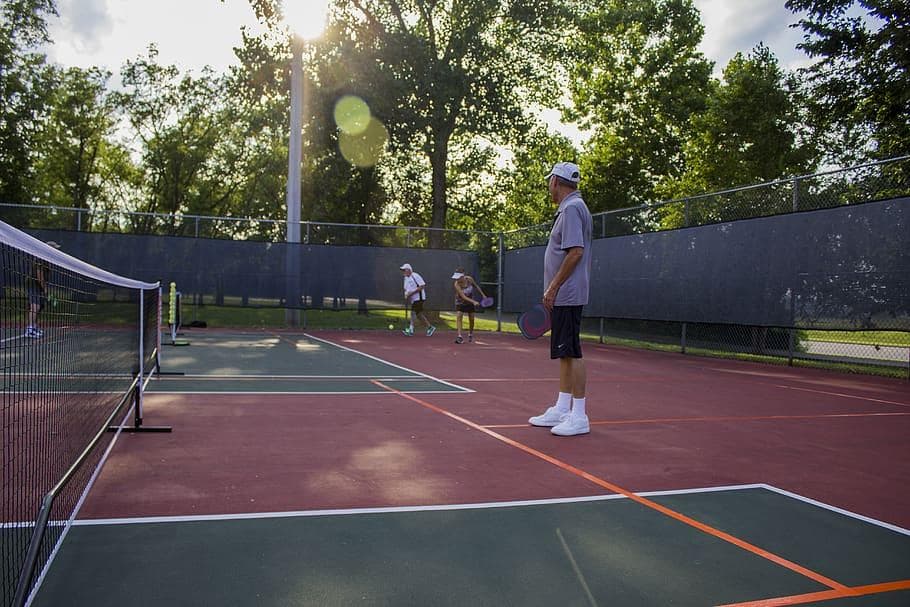
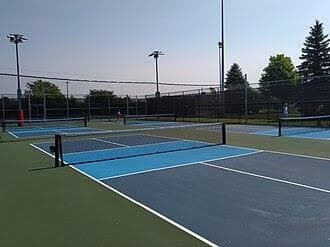
Pickleball court at golden hour
Imagine this

It’s Monday, June 29. Two days after camp.

You walk onto your local court a little before sunset. Three of the friends who invited you to play a month ago are already there warming up. The first ball comes back to you on a return, and instead of reaching for it the way you used to, your feet move first, your paddle stays low, and the ball lands deep in the corner where you actually wanted it to go.

Your friend pauses for half a second before saying “when did THAT happen?”

You don’t tell them yet. You keep playing. The third shot drop you spent forty-five minutes drilling on Saturday lands soft. The kitchen rally goes twelve balls and you end it with a cross-court dink you didn’t know you could hit until two days ago. Later that night the group chat from camp, the one with the eight people from Texas Pickle Hall, lights up with photos and someone asking when the next one is.

That’s the difference between who you are right now and who you’ll be on Monday June 29.

What you walk away with

The day after camp, then the week after, then the season after.

Outcome 01

The shot you came in chasing starts landing.

Your third shot drop, your kitchen volley, the one specific shot you came to camp wanting to fix. By the second hour the coach has named it. By the third hour you're hitting it under pressure and it's still landing where you wanted it. That's the shot that quietly wins you the next six matches you play.

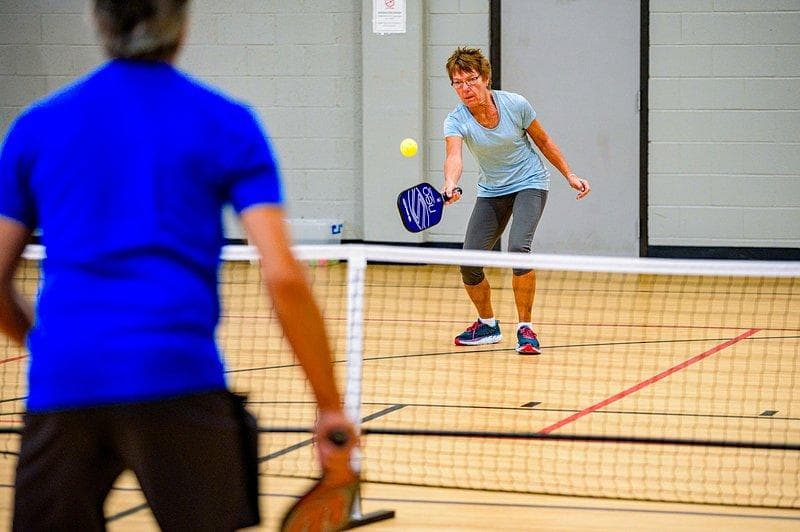
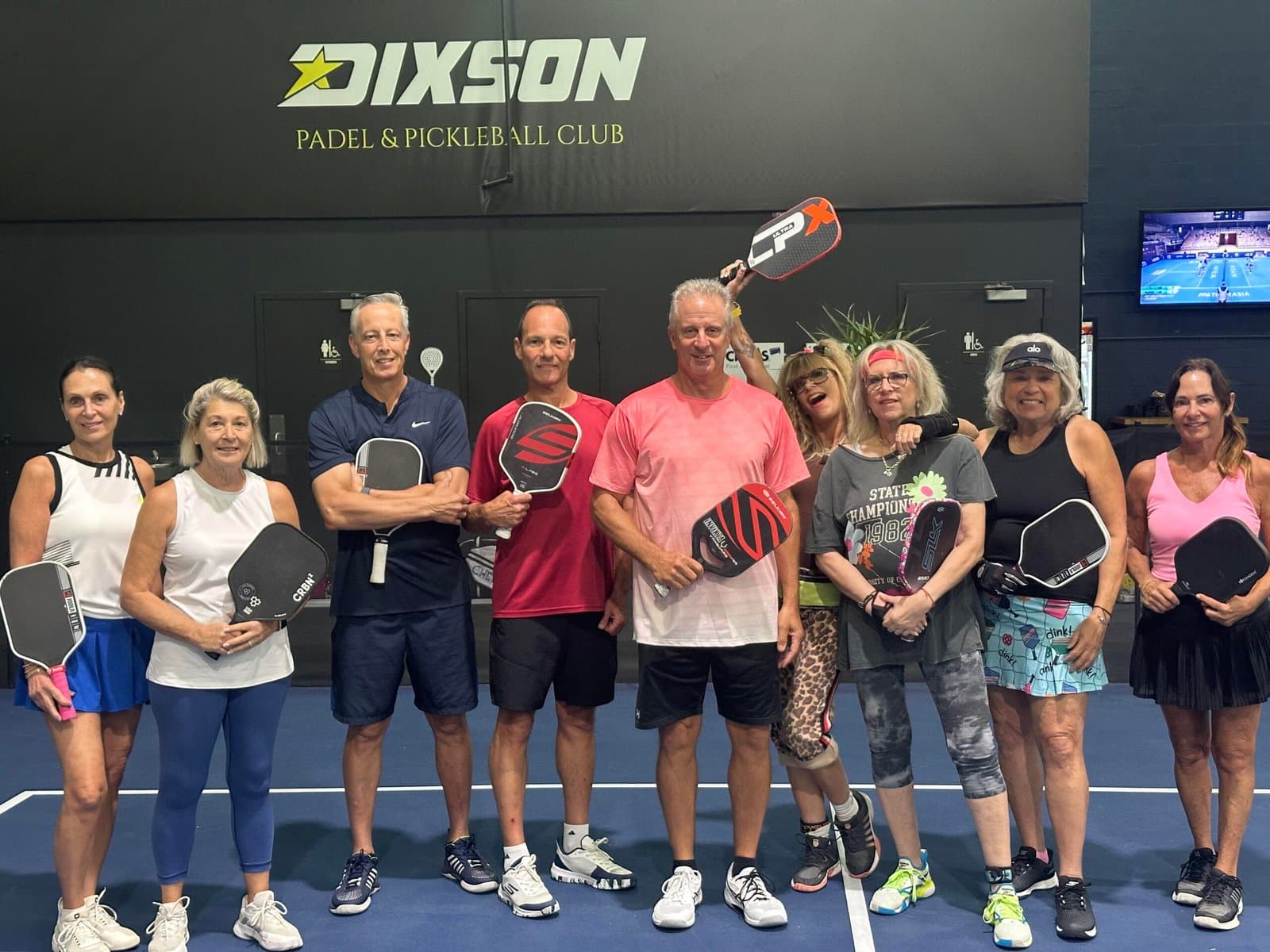
Pickleball players ready on the court
Outcome 02

The game finally slows down.

Most newer players play one gear: every ball, full tilt. That's why every third shot ends up in the net or out the back. Your coach catches it in the first rally and starts naming it as you go. By the second hour, you're choosing which balls to attack and letting the bad ones go. By the third hour, the game has slowed down enough that you can see where to stand, where the open court is, where your partner is. It stops feeling like the game is happening to you.

Player composed at the kitchen line
Outcome 03

A written plan lands in your inbox a week later.

Three drills, your specific patterns, with reps and frequency. The kind of document you keep open on your phone at the court because you finally know what to work on next instead of guessing.

Texas pickleball courts the day after camp
Outcome 04

You drive home with a different crew.

Eight players, four hours, two courts. By the end of the day you've traded numbers with three people you actually want to play with. The group chat starts before you get home.

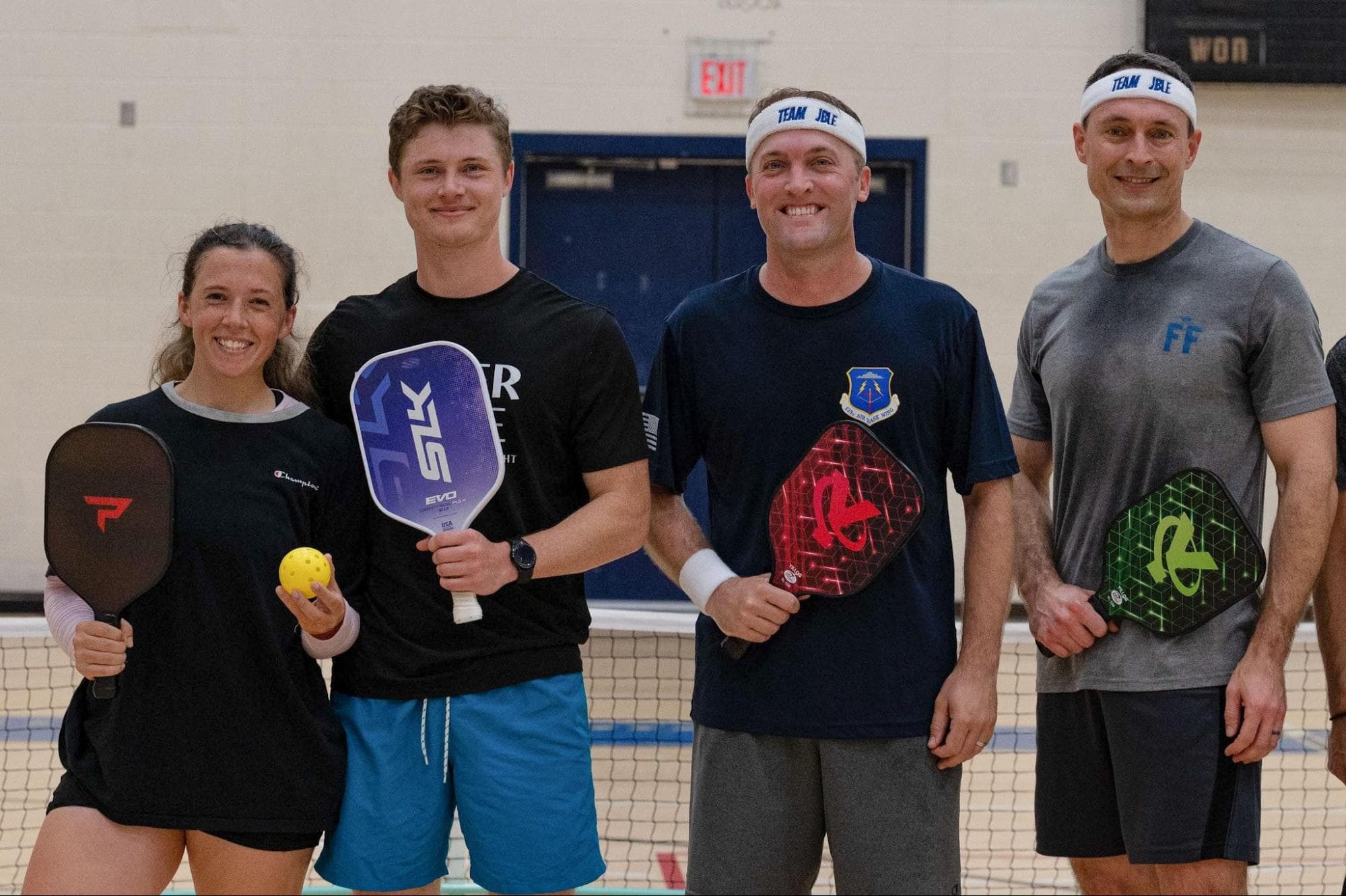
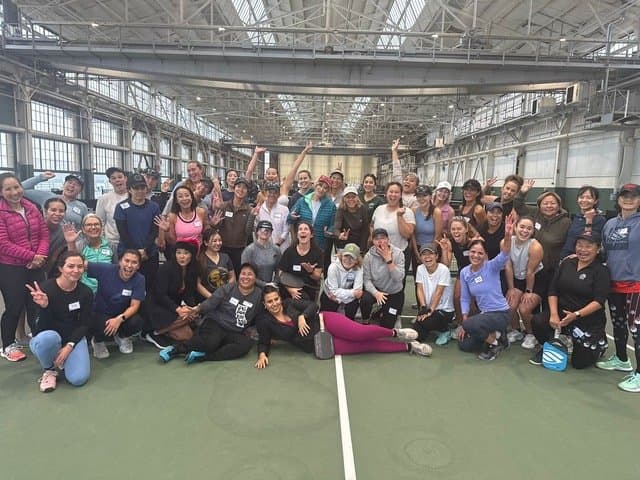
Camp group photo, Texas pickleball
Outcome 05

Your regular game notices.

The next Saturday at your usual court, a rally where your partner stops mid-game and asks what changed. The pace doesn't break on you anymore. The third shot lands. That's the moment a Lone Star camp is built for.

Evening pickleball on outdoor courts
Included in your seat

Three things that keep paying off long after camp day.

None of these cost extra. All three are included the moment you reserve your seat.

01
Bonus

Personalized Written Plan & 3 Drills

$228 value

Your coach watches your game on camp day and sends you a written plan within 7 days. Three drills built around the patterns they saw in your specific play. The kind of plan you keep open on your phone at the court.

02
Bonus

Lifetime Lone Star Players Community

$180 value

Lifetime access to the Lone Star Players community. Players from every Texas camp are in there. Find someone to hit with in any major Texas city. Drill videos, monthly Q&A with coaches, and the group chat from your camp day.

03
Bonus

Lifetime Credit Insurance

Included

If life happens and you can't make camp day, your seat credit travels to any future Lone Star camp anywhere in Texas. No expiration. The seat is always yours, just on a different Saturday.

Total value, your cost
$657+ in stated value, your seat $249.
Reserve your seat for $249
The Lone Star promise

A written plan, or your next camp is on us.

Every Lone Star camper gets a written improvement plan from their coach, in their inbox within a week of camp day. Your three weakest patterns, ranked. A drill for each, with reps and frequency. If that plan doesn't land in your inbox by the Saturday after camp, your next Lone Star camp is on us. No forms, no haggling.

What players say

From Texas players who actually showed up.

Two players from a recent camp on what the morning actually felt like. Hit play.

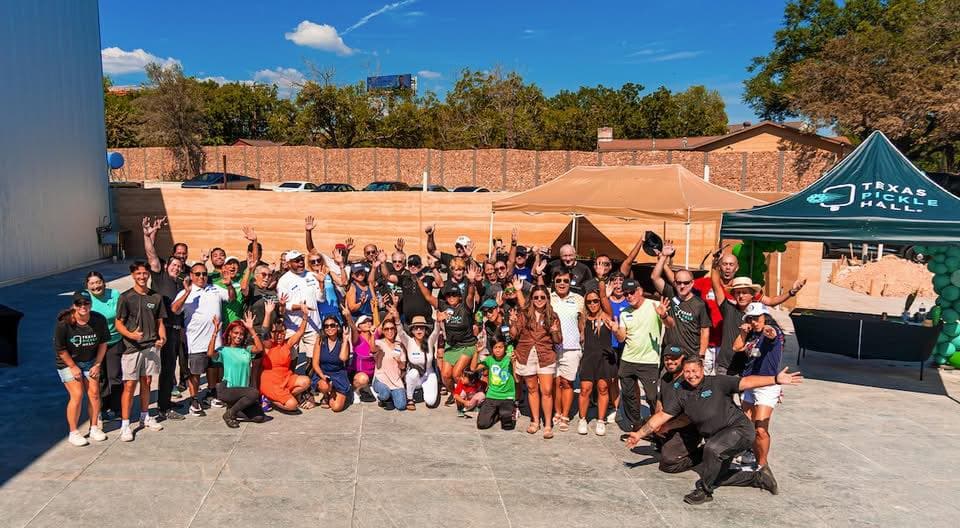
Texas Pickle Hall community day, San Antonio
Texas Pickle Hall · San Antonio

Where Saturday June 27 happens.

Before you reserve

Questions worth asking.

What if I've barely played? Will I be the slowest one in the room?
No. This camp is built for beginners and newcomers, which means everyone is either holding a paddle for one of the first times or has been playing for a few months and still feels like they're guessing. Your coach reads the room in the first half hour and groups the drills so people are moving at the speed that matches them. By the end of the morning, you'll be playing real points with people you'll want to play with again.
Do I need a DUPR rating to come?
No. If you've never even heard the term DUPR, this is exactly the camp for you. (DUPR is the universal pickleball rating, sort of like a golf handicap. You can look yours up at mydupr.com if you're curious.) We'll ask a couple of self-rating questions when you reserve and slot you in. If your game is actually past the level this camp is set for, we'll tell you straight and point you to a future camp that fits.
Can I bring a friend?
Yes, and we'd recommend it. Most beginners learn faster when they show up with someone they already know, even just for the drive in. If you both reserve seats together, mention each other in the notes field and we'll keep you grouped during the drills.
Will I actually get individual attention?
Yes. Eight players, four hours, one coach who can actually watch every rep. That's why the cap is at eight and not twenty. A week after camp, your coach sends you a written plan based on what they saw from your game specifically, not a generic worksheet.
What if I have an injury or limitation?
Tell us when you reserve, or in the post-purchase intake. Your coach adapts the drills as long as they know in advance. Most of our players are 50+, the pace is structured rather than punishing, and the goal is to leave the court tired in the good way.
What do I bring?
Your paddle, court shoes (no street shoes on indoor courts), a water bottle, and athletic clothes. We provide the balls.
What if I can't make the camp date?
More than 15 days out, full transfer to a future camp or a 90 percent refund. Between 8 and 14 days, half refund or full transfer. Under 7 days, transfer only, and the credit doesn't expire. If we cancel for weather or low attendance, you get a full refund or full credit, your call.
Saturday June 27, 2026

Eight seats. One coach who actually watches every player.

If the morning ends and the swing still isn’t starting to feel like yours, your next Lone Star camp is on us. Show up, do the work, leave with a written plan from your coach in your inbox a week later. If the day doesn’t move you forward, the next one is free.

Reserve your seat for $249
Stay in the loop

New Texas camp dates, before they go public.

We add new camps every couple of weeks. Drop your email and we'll send the date the moment it's open.

Lone Star camps only. No spam.

June 27, 2026
Coach Mark McDonald
Reserve · $249