Honestly didn't expect much. Walked off knowing exactly why my dink keeps popping. Grip change. That's it. Wish someone had told me a year ago.
Janet K.
Austin
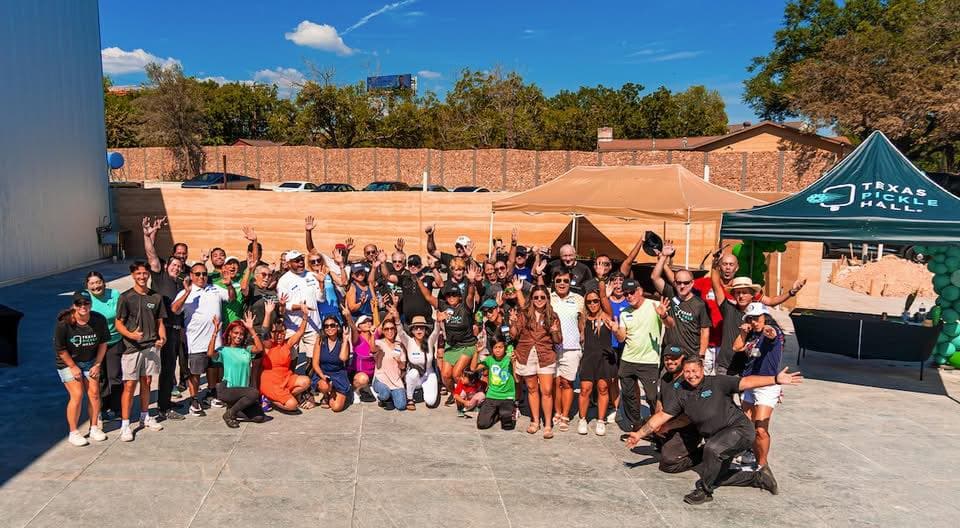
Four hours, eight players, two courts. One coach whose only job is to watch the way you play and tell you the truth about it. A written plan in your inbox the week after, with the three specific things to fix to get to the next level.
Eight seats per camp. When they're full, they're full.
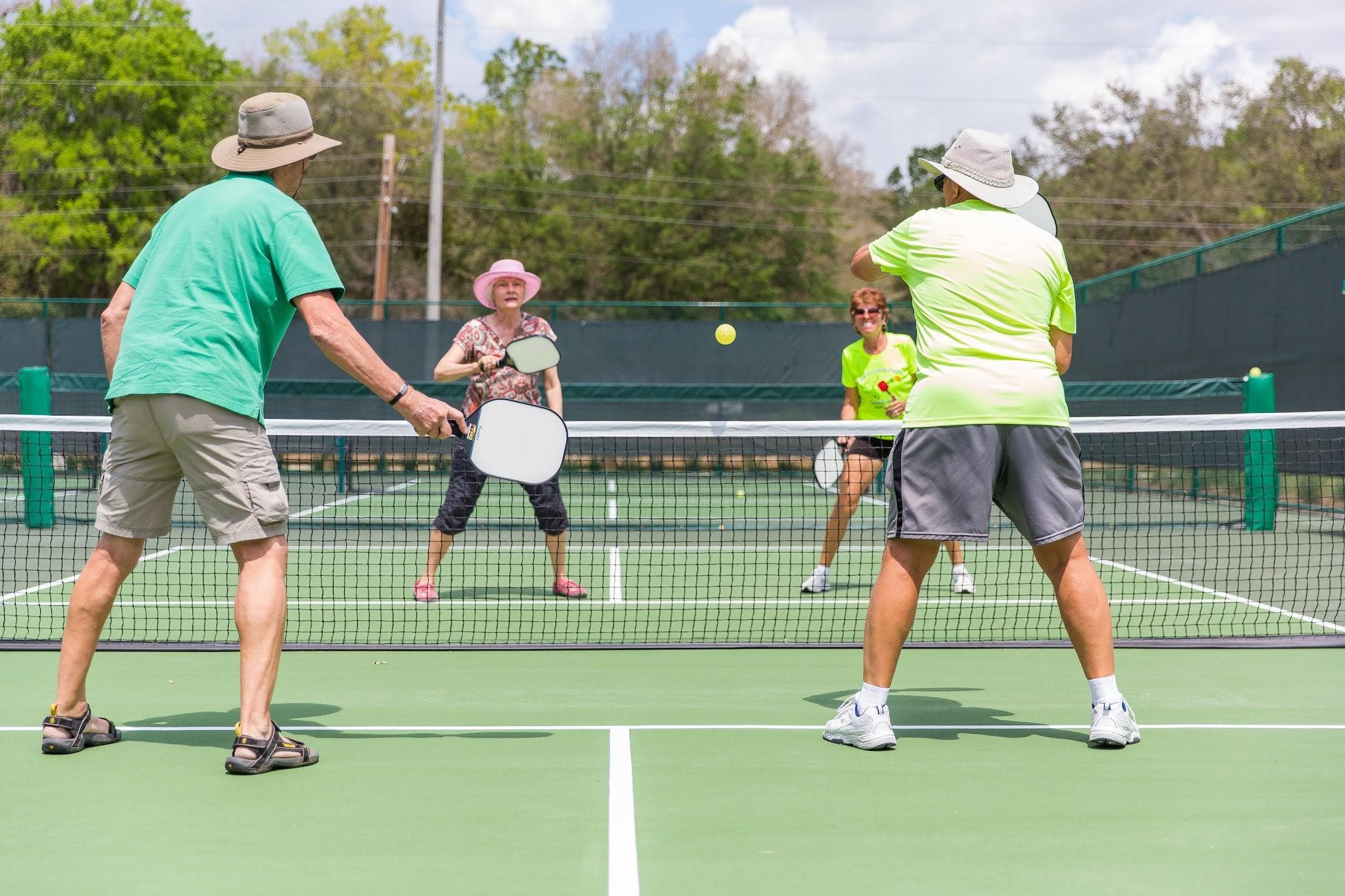
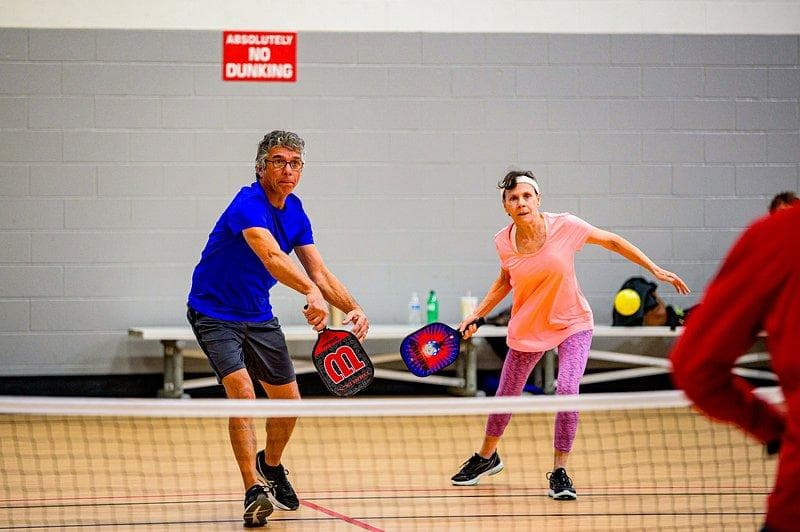
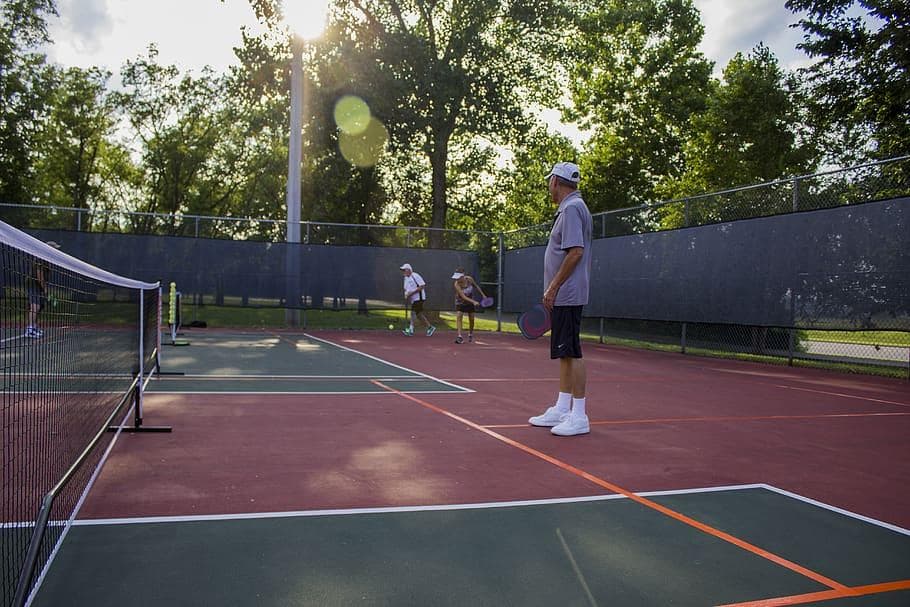
Eight players, two courts, four hours of coaching from someone whose only job is to watch the way you play and tell you the truth about it. The warm-up looks like a casual rally. It isn't. Your coach is already taking notes on your grip, your split-step, the way your weight ends up on the wrong foot at the back of the court.
Then we drill. Dinks, third shot drops, resets, volleys, returns. You hit a lot of balls. You get corrected by name, every rep. Most players walk into a camp expecting to learn how to play pickleball. You walk out of a Lone Star camp knowing the three specific things you need to fix to get to the next level.
A week later, a written plan from your coach lands in your inbox. Their notes from the day, your weakest patterns ranked, three drills with reps and frequency. The kind of plan you keep open on your phone at the court.
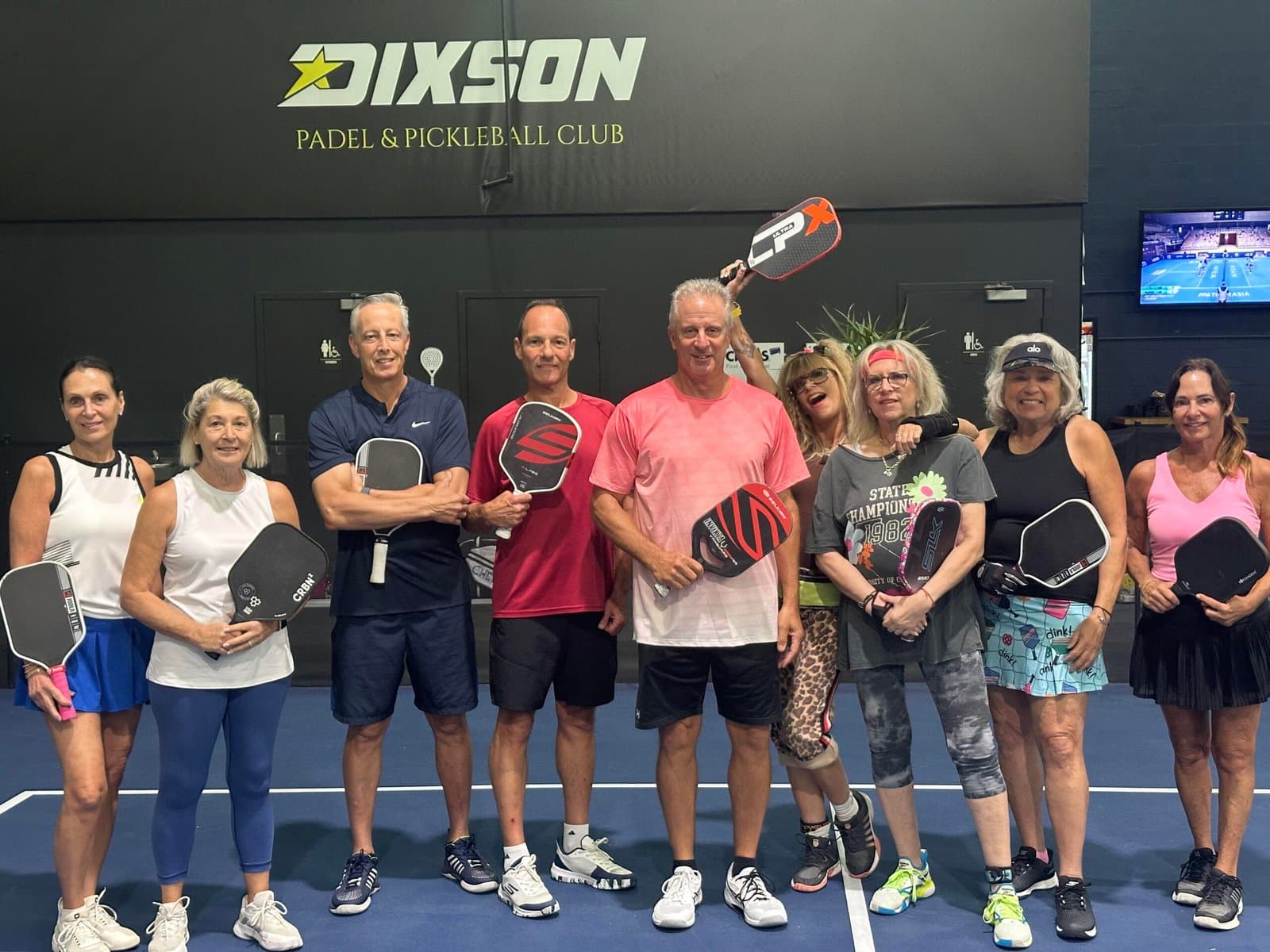
Camp days are loud in the right way. Eight strangers walk in at the start, and by lunch they’re trading numbers and arguing about who’s better at the third shot drop. We like it that way.
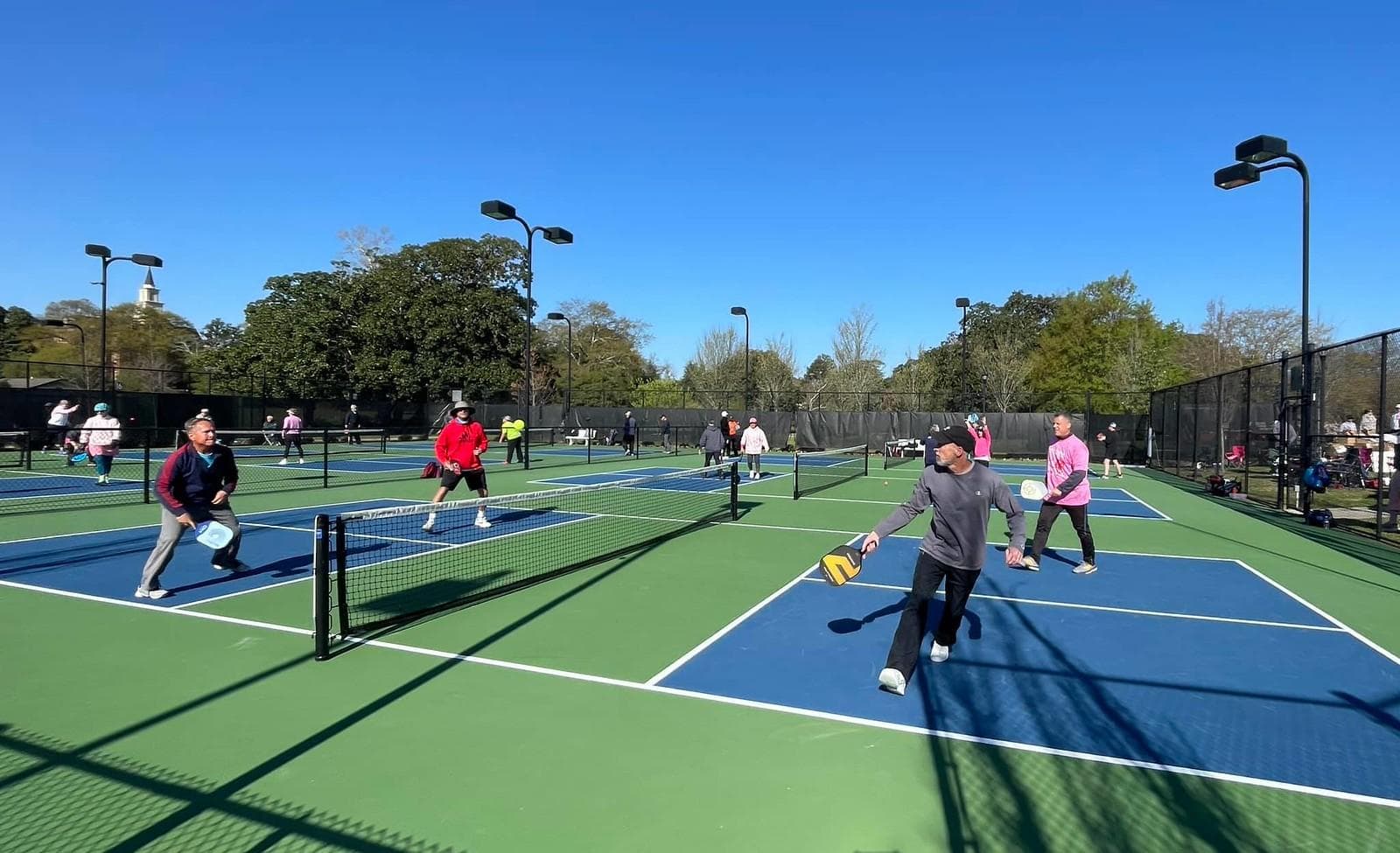
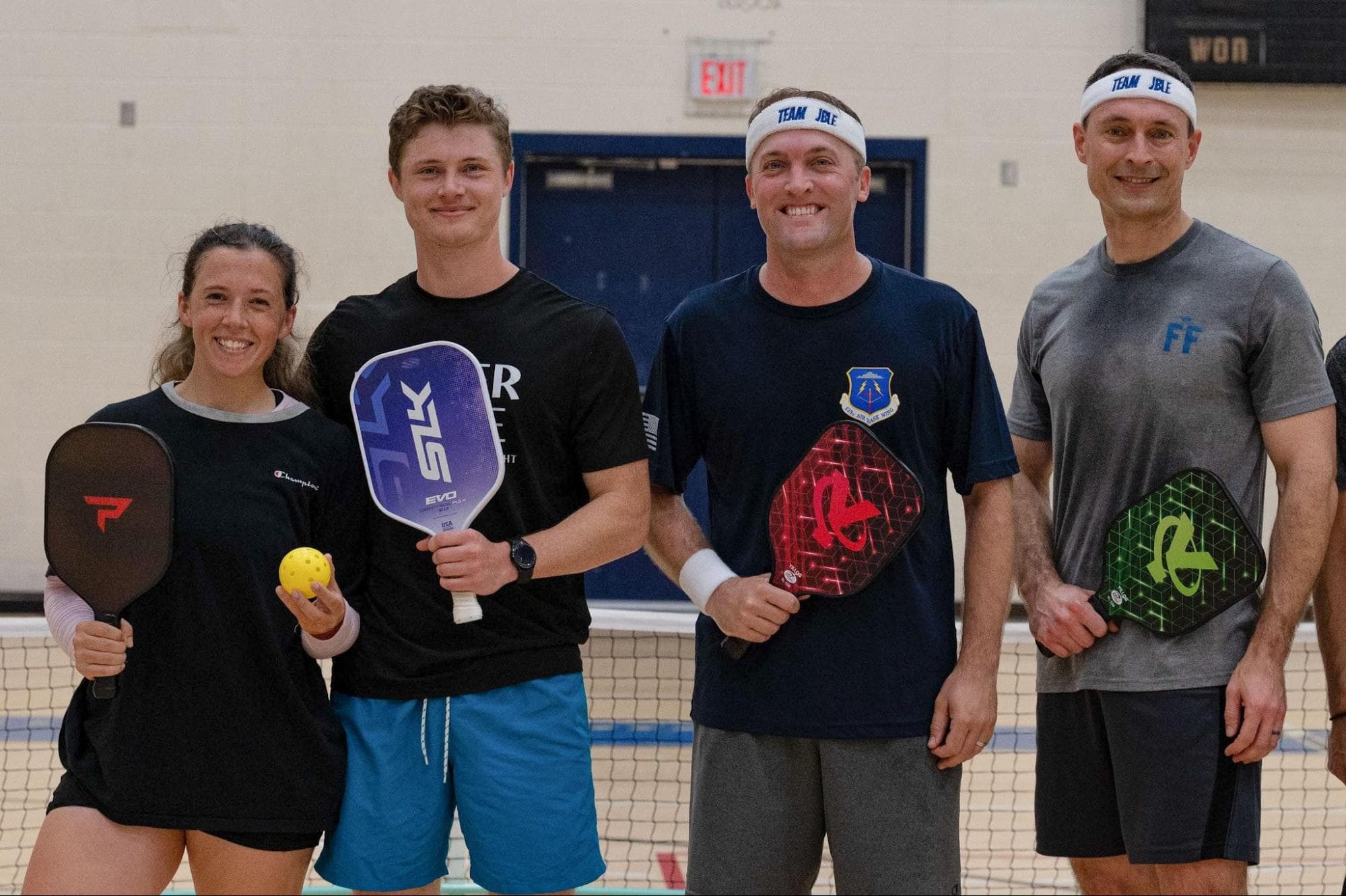
Every Lone Star camper gets a written improvement plan from their coach, in their inbox within a week of camp day. Your three weakest patterns, ranked. A drill for each, with reps and frequency. If that plan doesn't land in your inbox by the Saturday after camp, your next Lone Star camp is on us. No forms, no haggling.
Honestly didn't expect much. Walked off knowing exactly why my dink keeps popping. Grip change. That's it. Wish someone had told me a year ago.
Every Lone Star camp groups players in the same skill window. The beginner camp is open for booking now. Intermediate is in build.
The grip, the kitchen, the rhythm of a dink rally. We build the fundamentals so the basics stop feeling like a list of rules and start feeling like the game. If you've played a handful of times and the court still feels bigger than it should be, this is the right room.
When the basics start feeling automatic and you want someone to find the specific patterns that are costing you points at your level, that's an intermediate camp. We're building those now. Drop your email below and we'll send the date the moment it's open.
Two tracks. The beginner camp is for players still learning the rules, the kitchen, and the rhythm of a dink rally. The intermediate camp is for players who know the basics and want to find out which patterns are quietly costing them points. Every camp groups players in the same skill window, so you're never the slow one or the bored one.
Yes. DUPR is the universal pickleball rating, sort of like a golf handicap, and you don't need a published number to attend. When you reserve we'll ask a couple of self-rating questions and slot you into the right level. If you're between the two tracks we'll tell you straight which one will move your game faster.
We add new camps every couple of weeks. Drop your email and we'll send the date the moment it's open.